History of Evolution

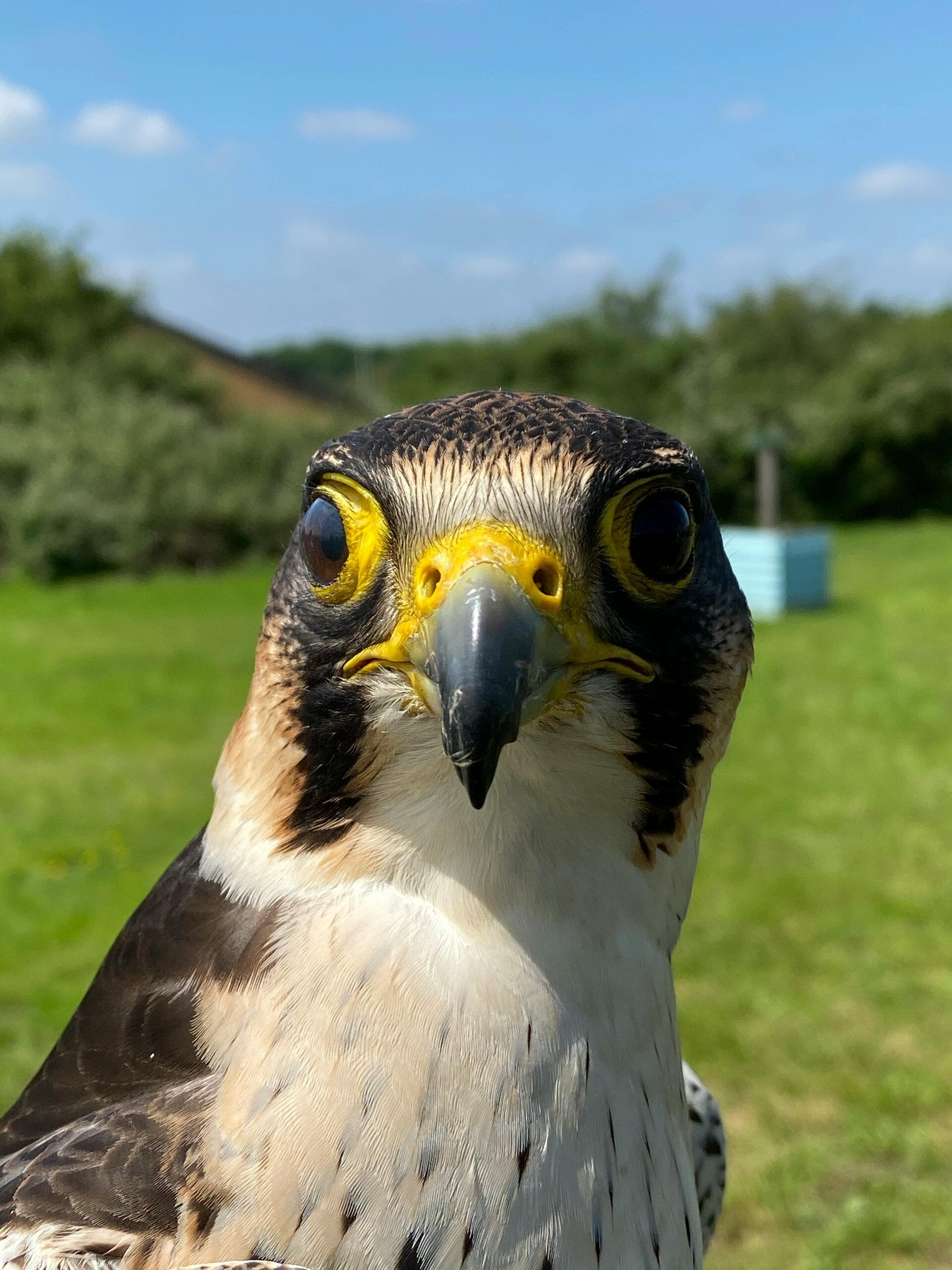
The idea of evolution has bounced around for centuries; one of the first notable philosophers was  Anaximander of Miletus, who was one of the main building blocks for Charles Darwin and Alfred Russel Wallace. The idea began with questioning the survivability of animals that could run for minutes after birth and of animals (humans) that needed around-the-clock care in their first few years. This led to wondering where humans came from and if we could once survive without as much hand-holding. A theory like this developed over the years, with people linking the growth of many species to oceanic species, such as crocodiles, which are aquatic animals that still traverse land and bear visual similarities to prehistoric species or most raptors sharing names and visuals with prehistoric raptors. These visuals are enough reason to second-guess an animal's ancestry, and so the theory was officially recognised when Darwin published his book 'On the Origin of Species' in 1859.
Survival Of The Fittest

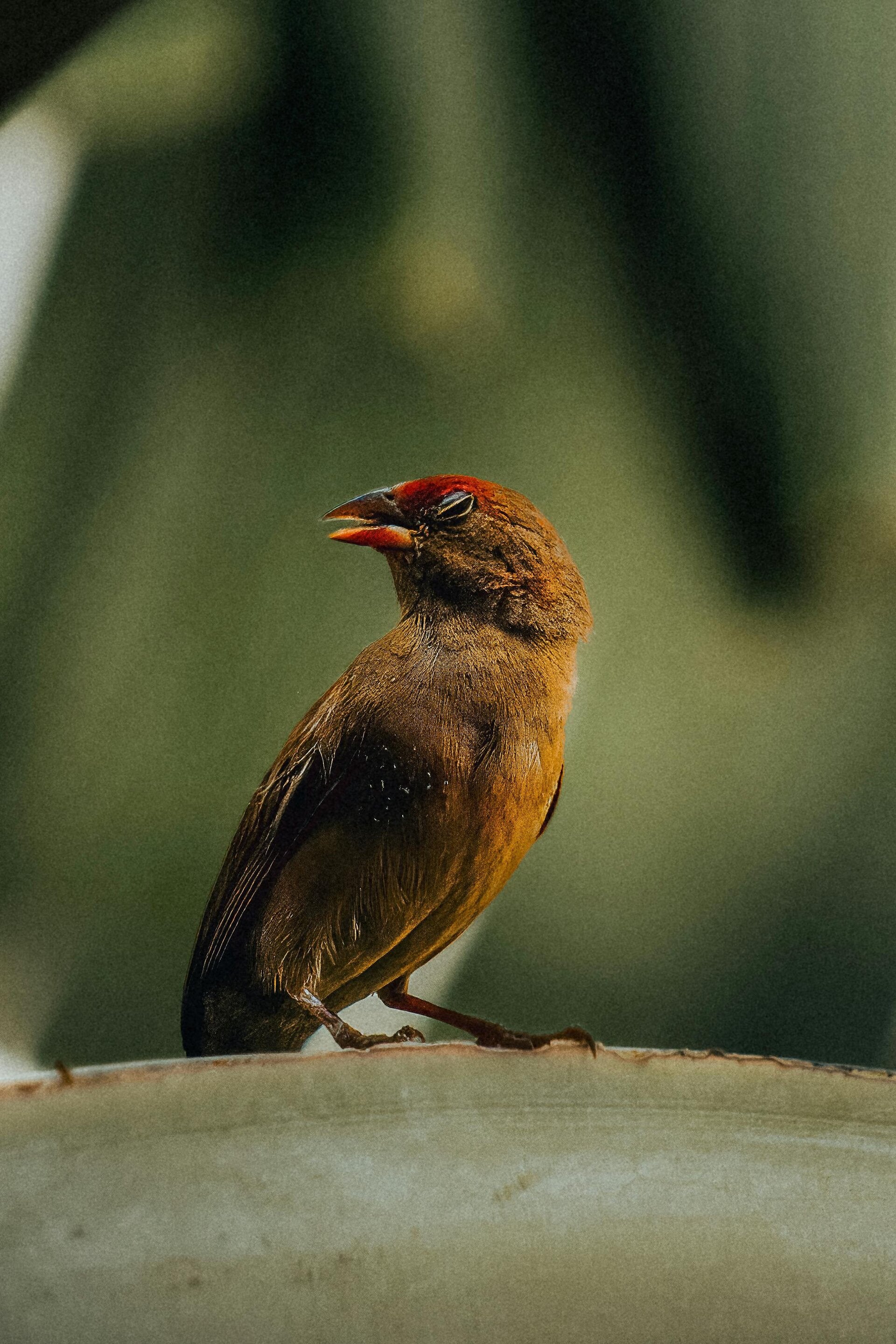
This simple notion is true for the survival of the animals we see today; such simple things have had massive effects on the modern animals and how they carry themselves. Humans have incredible intelligence when it comes to problem-solving, a trait we share with apes such as Sultan (Koehler's study of chimpanzees), but this tool-making and problem-solving is also seen in birds.

Read more »

Selective Breeding-Man Made Evolution

This occurrence is due to humans controlling the gene pool of certain animals for desired characteristics. Historically, this was used to breed obedient and useful animals, but society has changed since and now the focus has shifted to vanity. There are two great examples of this:

Read more »

To Conclude

EVOLUTION AND NATURAL SELECTION is a fascinating theory that splinters off into a range of ethical and historical ideas, but what is clear is that if humans continue to tamper with the gene pool, they should only do so to better a species, such as keeping certain animals captive so they can be bred out of the endangered list (White Rhino's or Cheetah's) or the building movement to breed out worrying traits in domestic and non domestic pets (flat faced pets or inbred lines of unproffessional breeders). Animals need to have room to evolve into their own needs so they can live in a changed world.